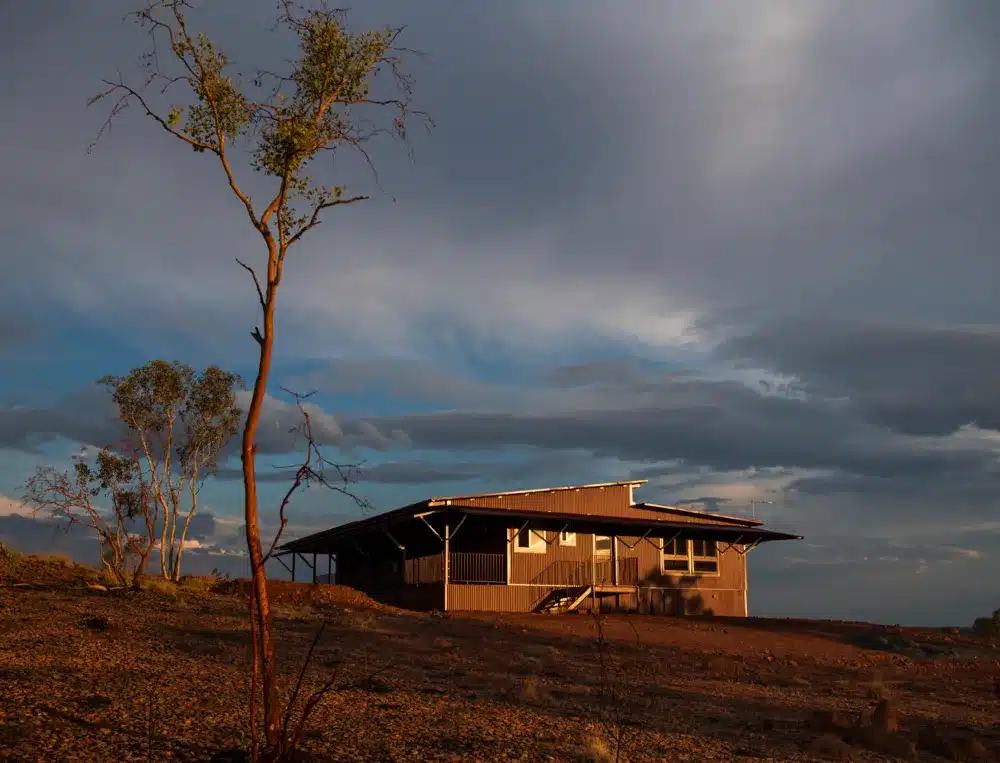

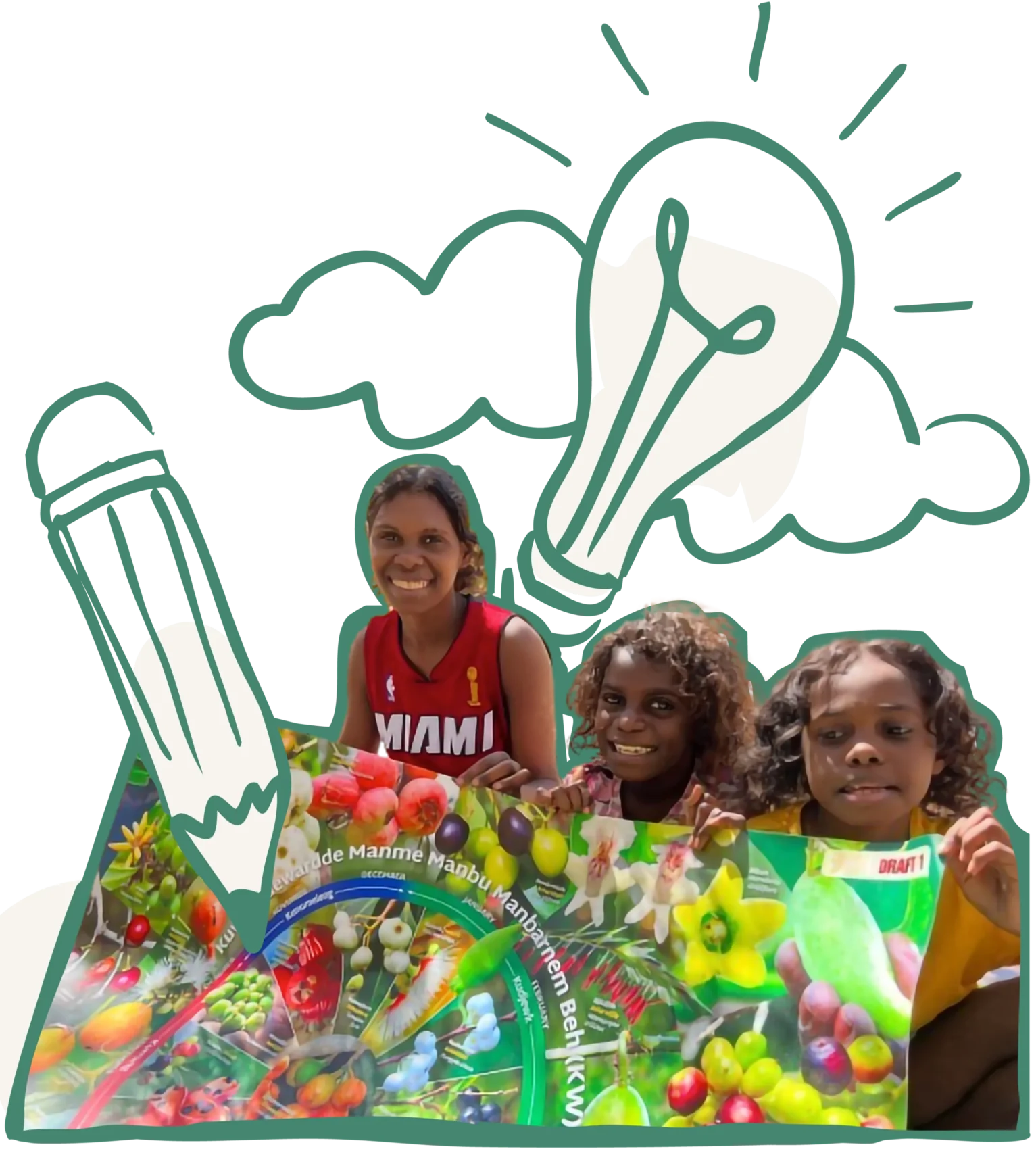
“This is a bush library; this is where you learn your knowledge.”
Ross Guymala, Bininj teacher at Nawarddeken Academy
To the east of the Warddeken IPA, the movement grows.
This year, Homeland School Company, took exciting steps towards realising a similar and inspired vision for bi-cultural, on-Country education across the Djelk IPA. They appointed a school principal, employed their first classroom teacher, and most recently, held a series of development workshops for their first custom curriculum, grounded in intergenerational knowledge and the local seasonal calendar.
It is expected that the first independent primary school in the Djelk IPA will be opened in early 2026.
“By setting up independent schools on the homelands, we’re thinking about how our old people’s knowledge can be respected, and how we can teach the young ones on Country.”
Dale Pascoe, Chair of Homeland School Company
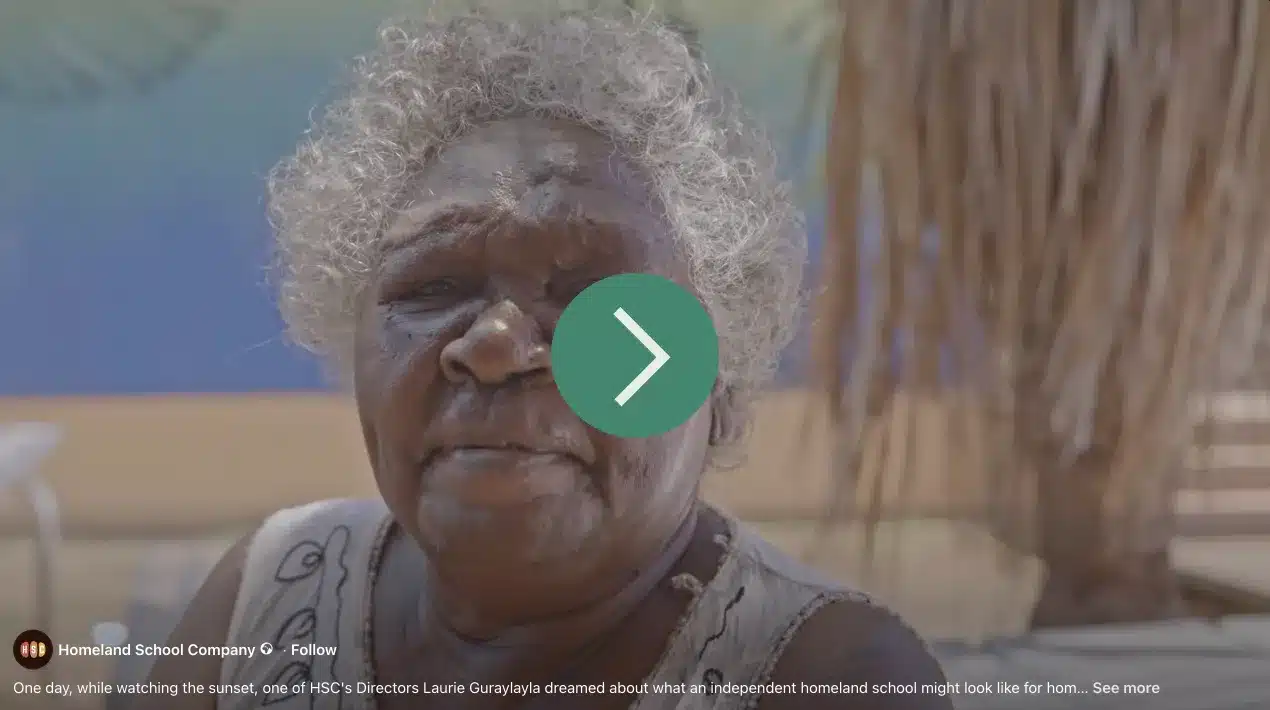
To learn more about the Homeland School Company, you can listen to a recent ABC Radio interview here or watch a short video below.
Nawarddeken Academy and the Homeland Schools Company are enabled by the Karrkad Kanjdji Trust (KKT), established by Traditional Owners of the Warddeken and Djelk Indigenous Protected Areas to support their vision for healthy Country.
KKT serves as a shared resource to eight First Nations community-controlled organisations in West and Central Arnhem Land, one of the largest Indigenous estates in Australia, supporting the preservation and revitalisation of culture, and the conservation of over 50,000 square kilometres of land and sea Country.
One of KKT’s six funding pillars is ‘Educating future custodians’, recognising that on-Country, bi-cultural education enables First Nations children and young people to walk confidently in both worlds.
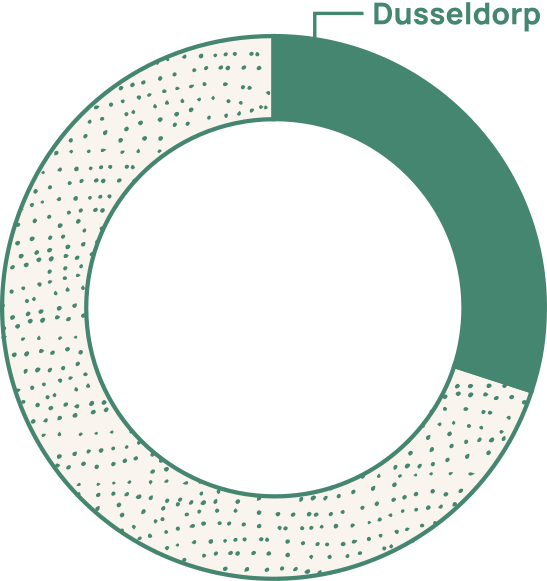
Dusseldorp Forum has been committed to the vision of the homeland communities of West Arnhem Land for more than 10 years and, beyond long-term funding provides governance, strategy and advocacy support to both KKT and Homeland School Company. When invited, we spend time on Country, are committed to ongoing cultural learning and respect First Nations self-determination.

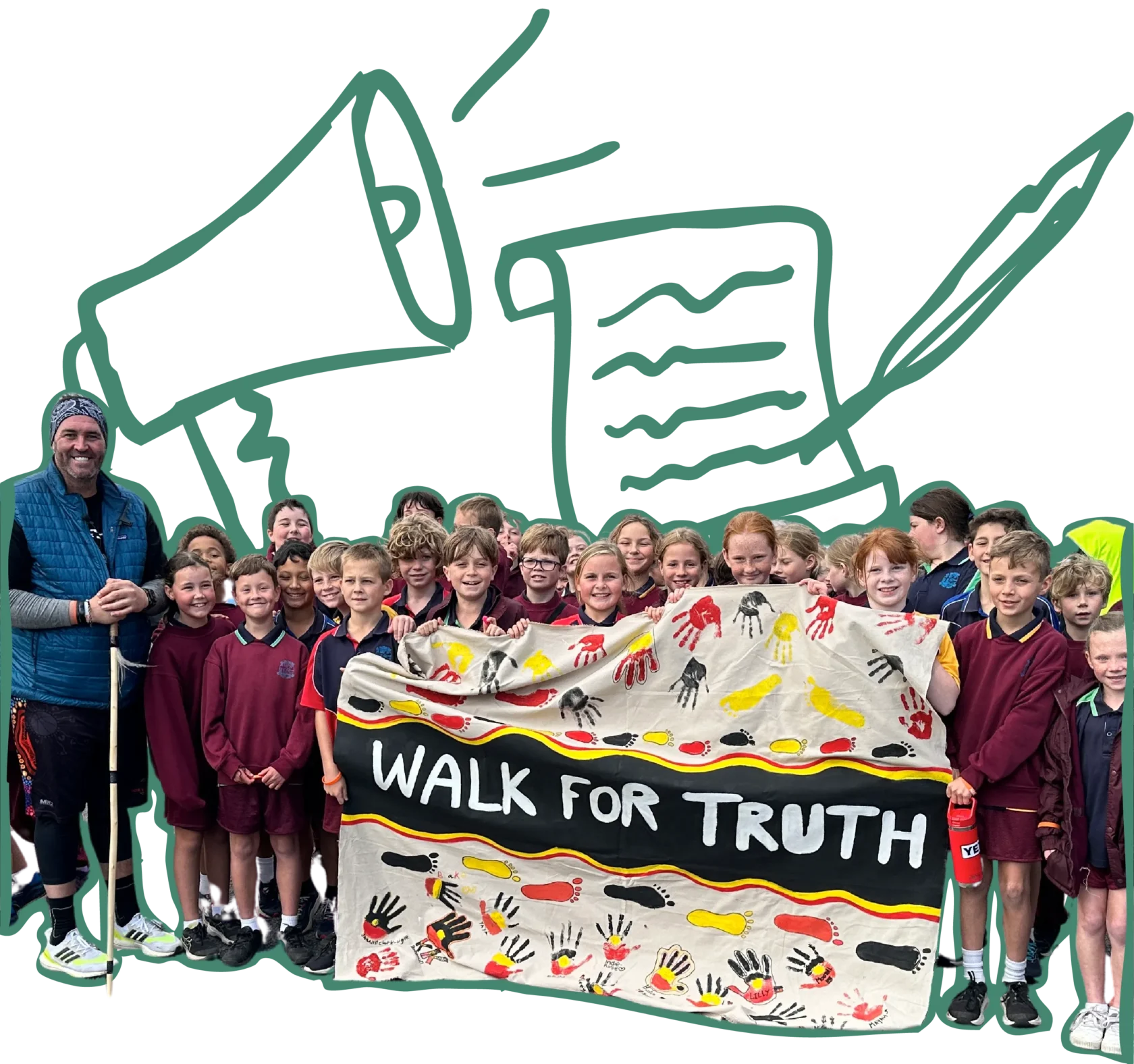
January
Our Place released their Evaluation Report, showing that when schools become central hubs for learning and wrap-around support, participation increases and children and families are better connected to education and life-changing services.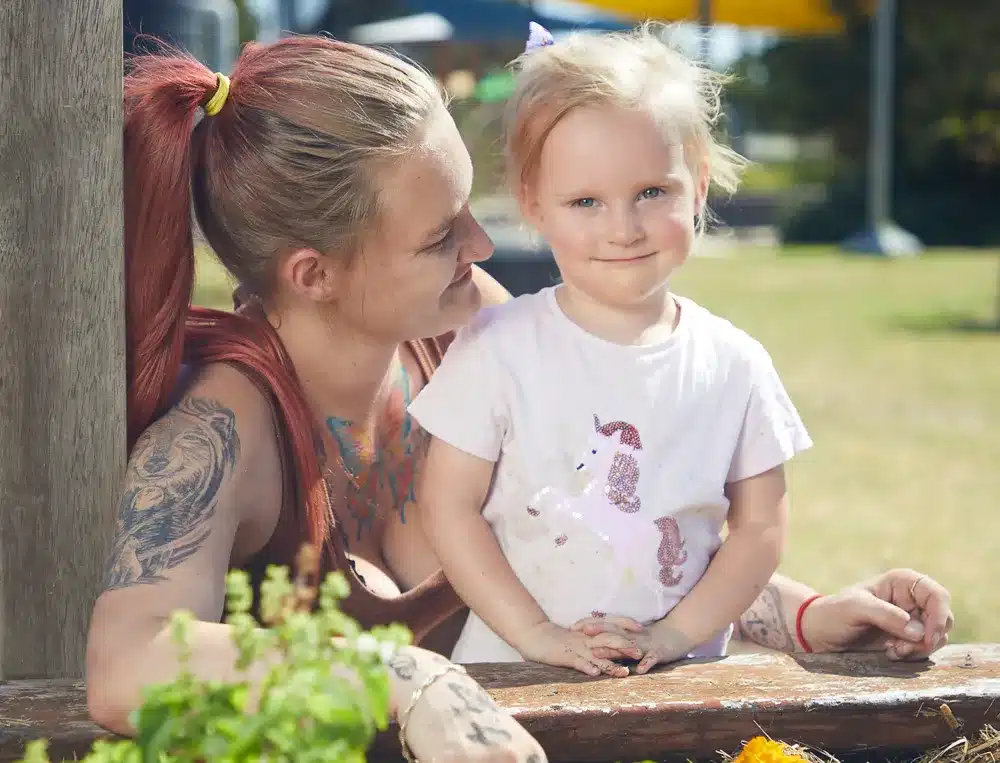
February
Groundswell’s Caring for Country program concluded generating over $1million in support for 30 First Nations led climate initiatives and spawning, the Just Futures Collab, an Aboriginal and Torres Strait Island-led giving circle activating resources for climate justice.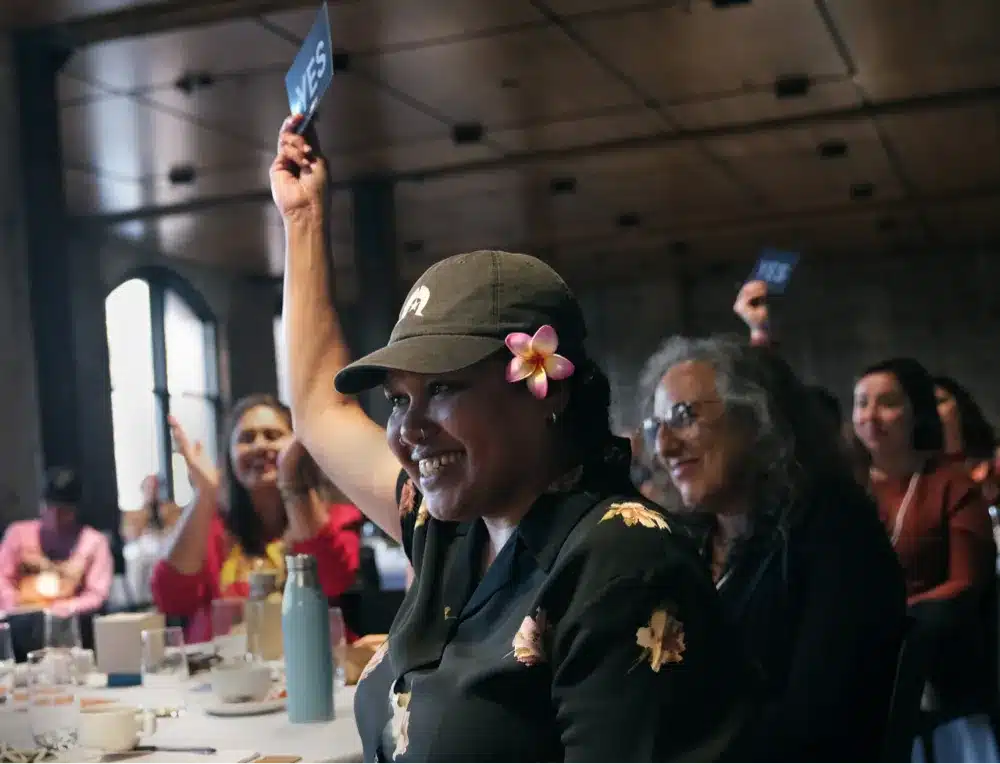
March
Learning the Macleay hosted the Yuwa Nyinda Youth Summit, bringing together 140 community leaders, service providers, and locals. They heard from 384 young people across 27 cultural backgrounds from the Macleay Valley, sharing what they need to fulfill their dreams.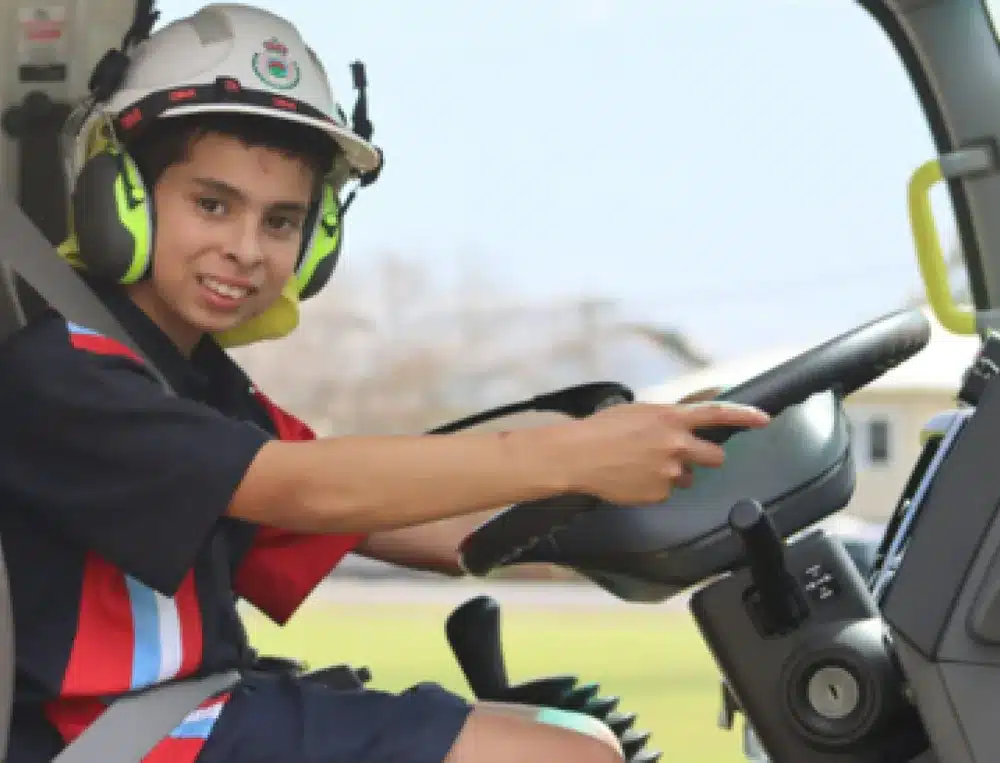
April
Partnering with the Centre for Public Impact, we ran four Story Circles connecting theory and practice across sectors. We also launched a story-kit for changemakers, distilling years of research into stories' power to transform systems.
May
Mounty Aboriginal Youth and Community Services grew their direct support for young people through programs, advocacy and community engagement, while backing young people as leaders driving systems change efforts.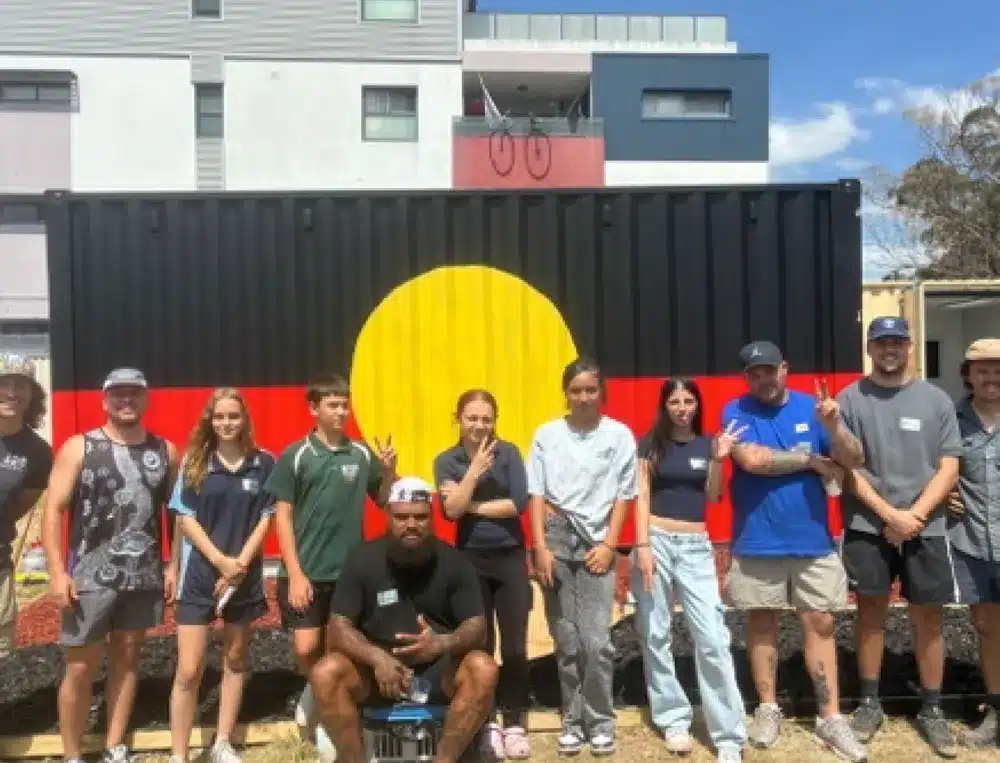
June
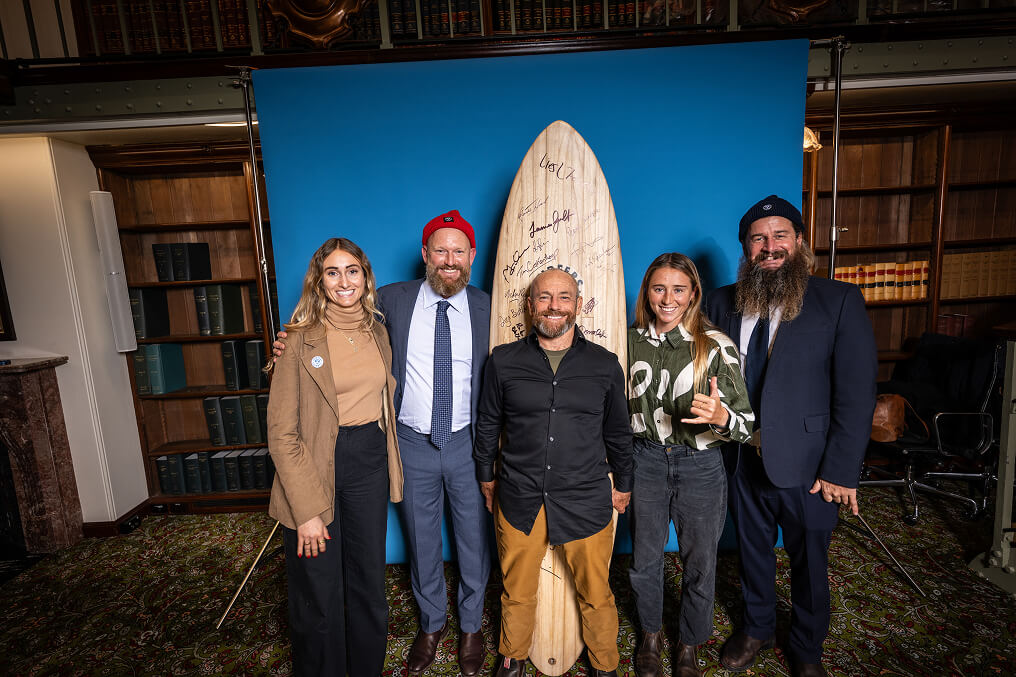
Surfers for Climate launched the 'SAVE BEACHWATCH' campaign and secured an early win for water quality testing on Sydney's beaches, with the NSW Government recommitting funding to the program.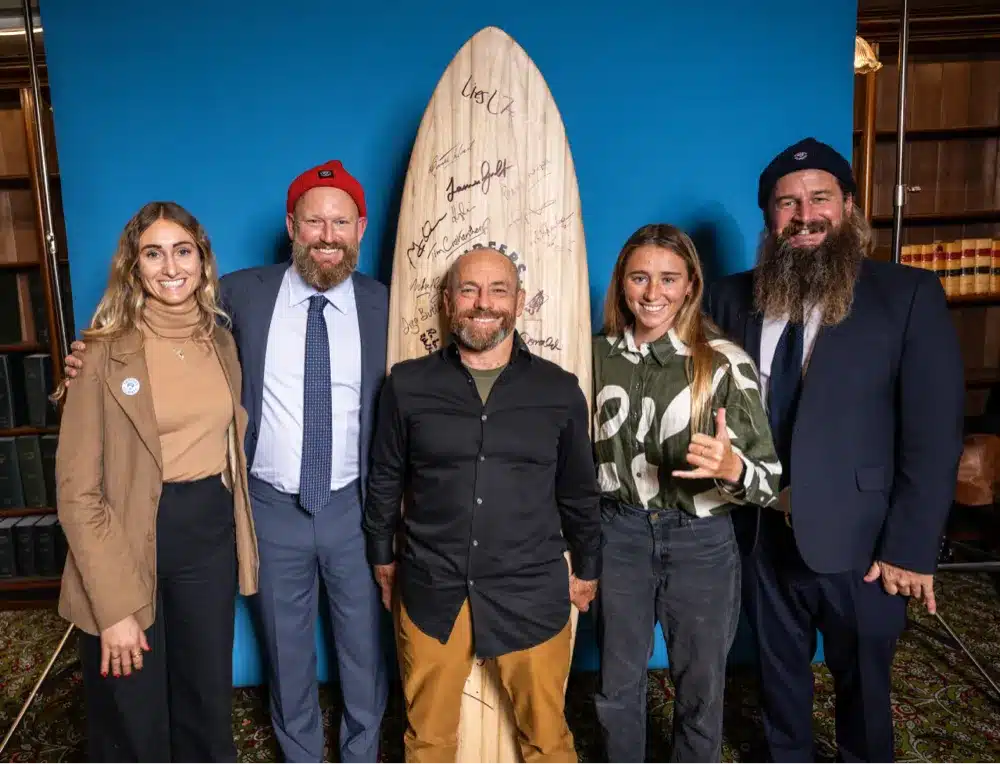
July
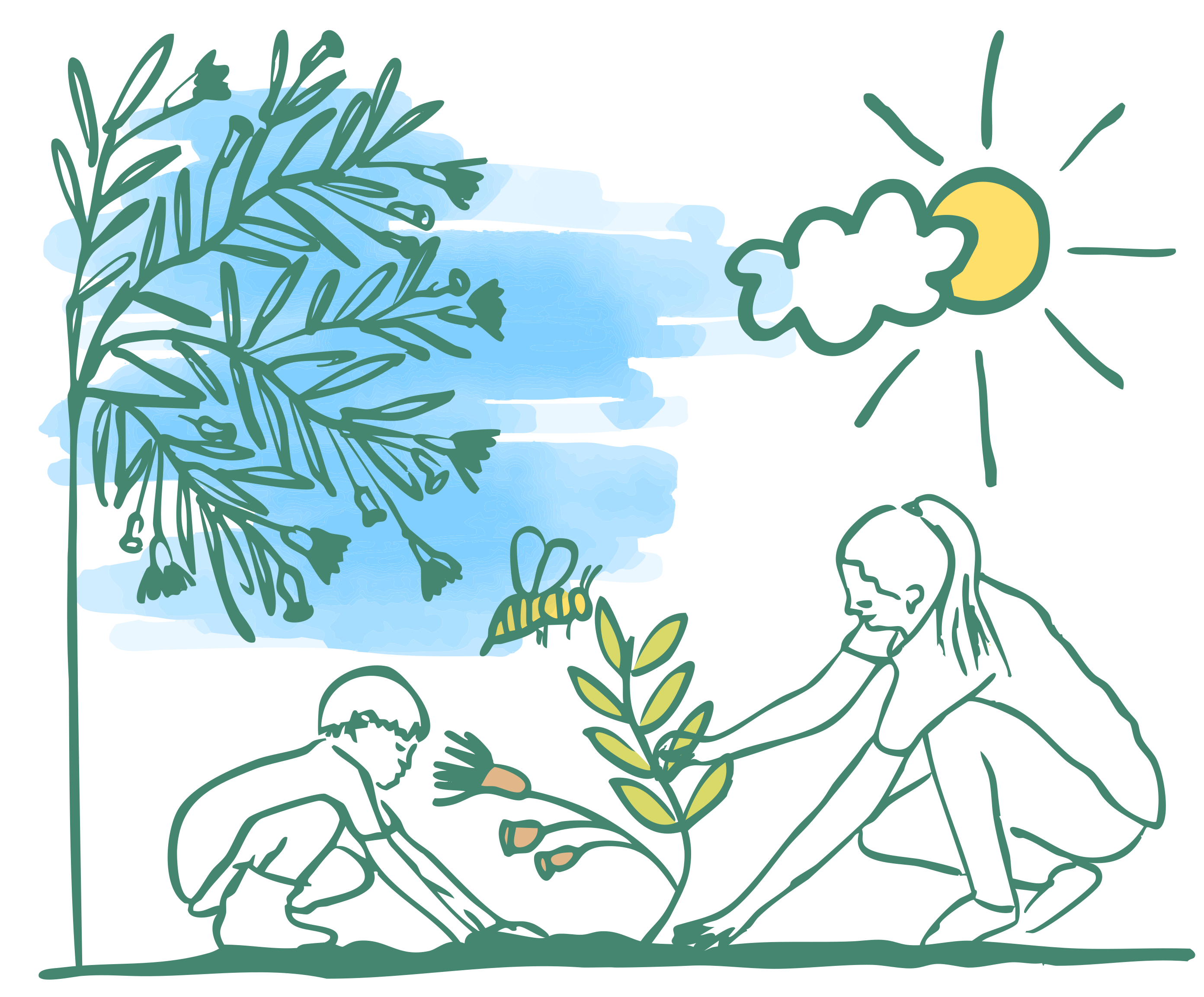
Pete Cooley shared how IndigiGrow, a First Nations-owned nursery and social enterprise in La Perouse, is working to bring back native plants that have shaped the landscape and the lives of its people, for thousands of years.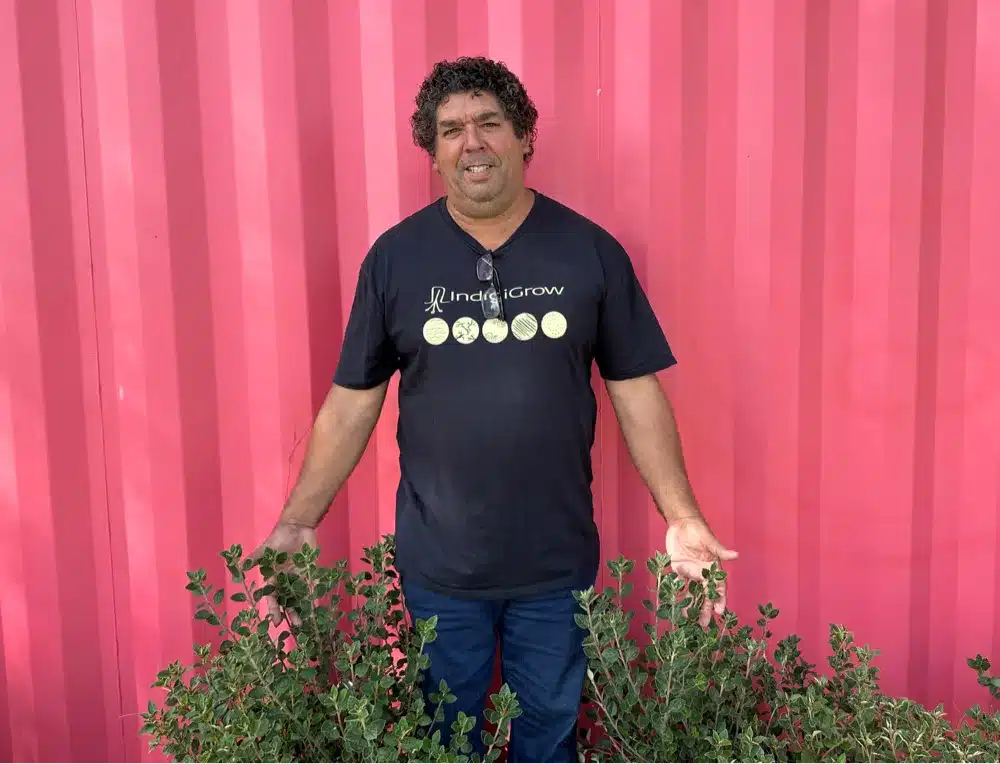
August
PLACE shared insights from their Community Roadshow and Listening Tour that visited 53 places and engaged with 75 initiatives. To compliment this we published a content series, From the Ground Up, that celebrates communities at the heart of the place-based movement.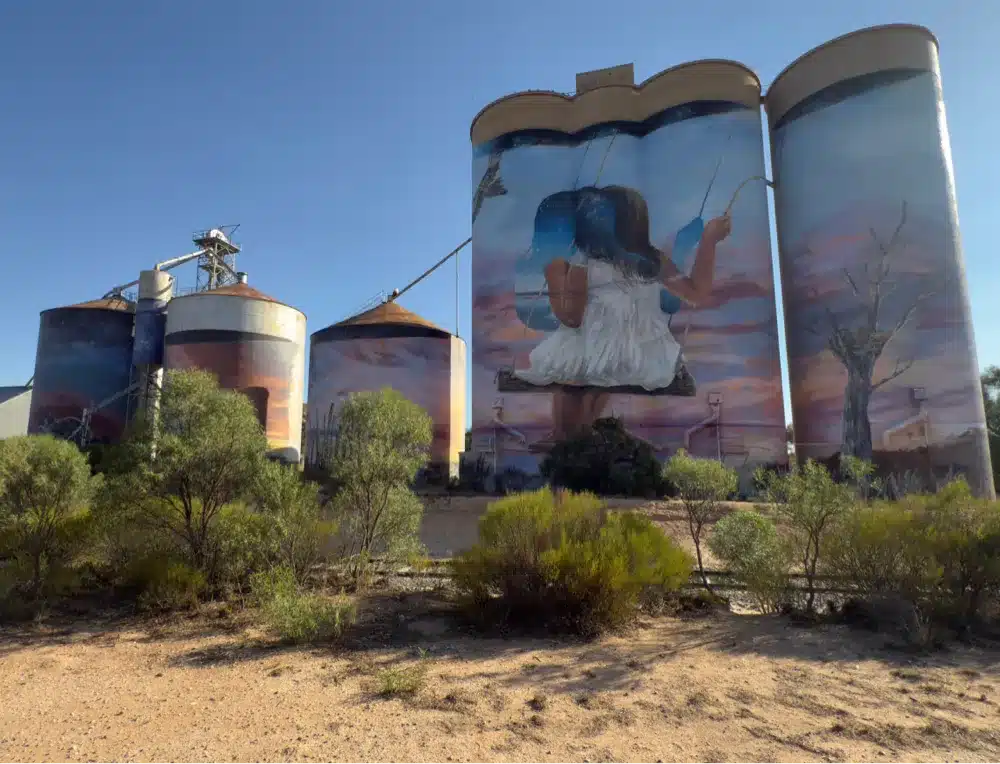
September
New partner: The Accountable Futures Collective aims to change systems so they stop harming generations of young people. They bring young people and adults together to solve the accountability void - what’s missing between the promises to young people and their experience in reality.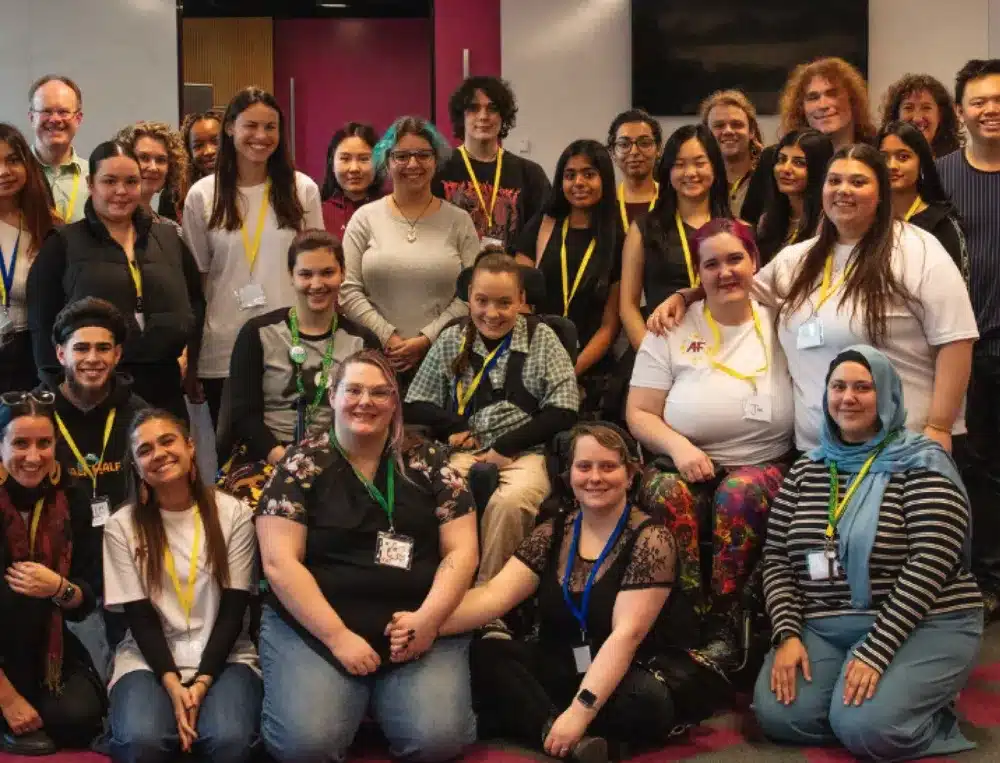
October
Supercharge Australia hosted its annual Innovation Challenge Awards, recognising Liberate Minerals for its high-efficiency, low-emissions approach to processing critical minerals, while marking three years of innovation in renewable energy, with 41 startups supported and more than A$100 million raised.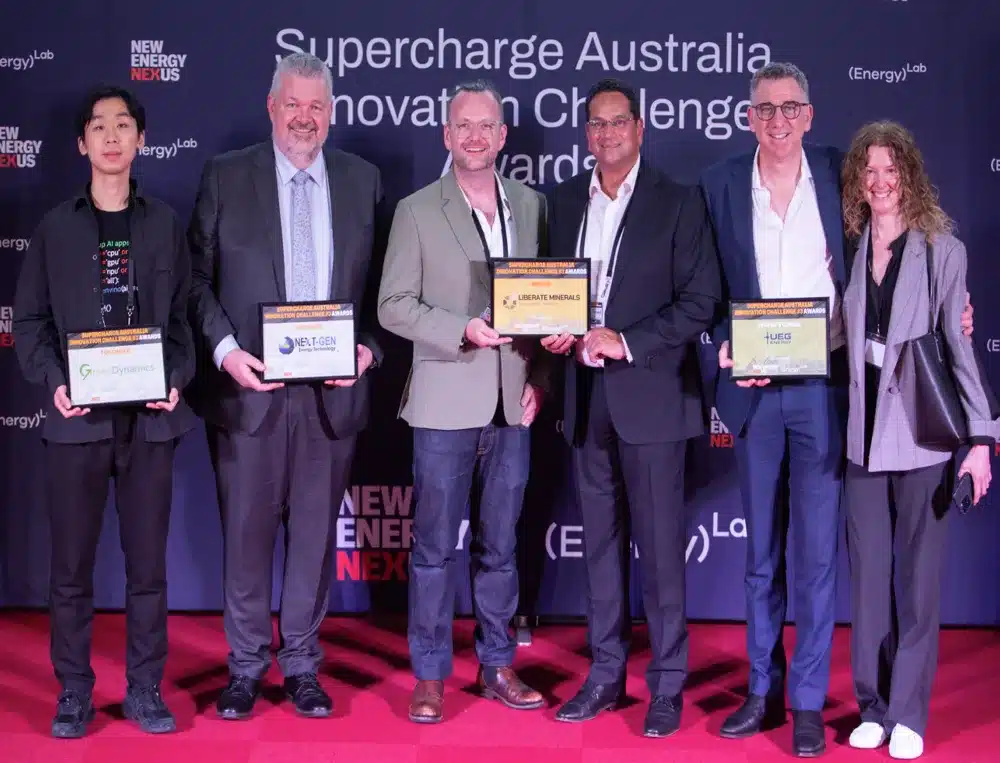
November
ChangeFest held in Walayup, WA, celebrated place-based change efforts across the country. It was a valuable moment to connect with partners and learn together how to build thriving, just and resilient communities, shaped by the people who live there.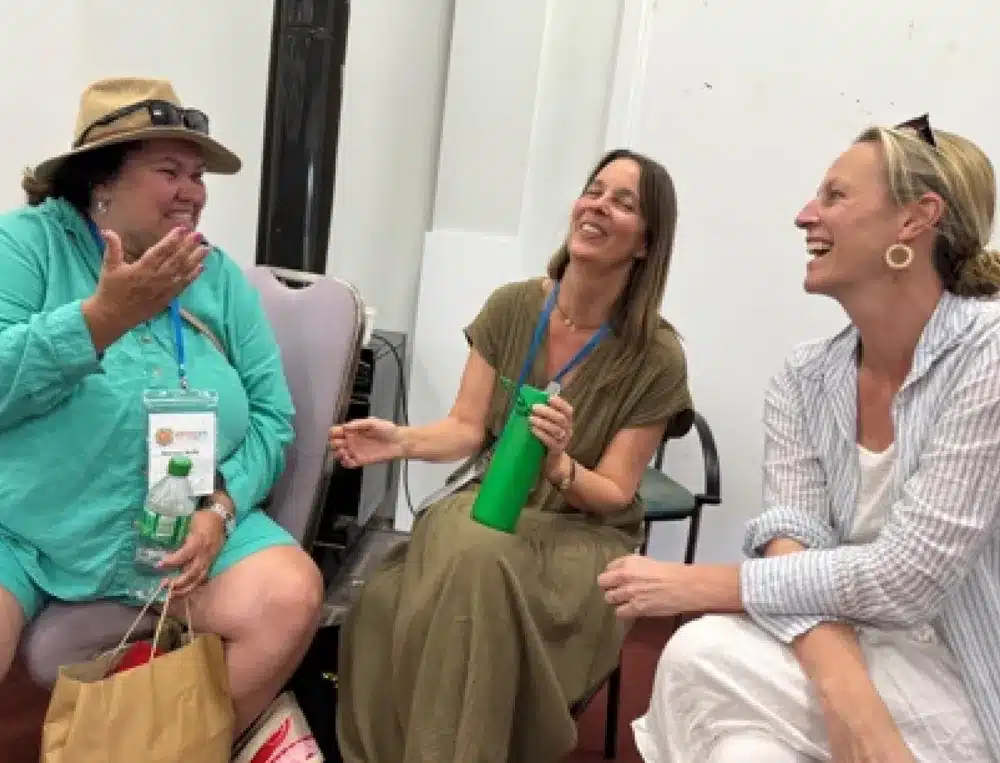
December
Wilya Janta’s first Explain Home, lands in Tennant Creek. The community designed home shaped by culture, climate and community leadership is a shift towards practice that could set new standards in remote Aboriginal housing.