
Responsible Custodians

We live by our values and measure and learn from our impact.

Dusseldorp Forum is an independent family foundation with a long legacy of bringing people together to tackle complex challenges.

Our People

Our small, dedicated team are supported by an experienced Board and guided by the values of our founder Dick Dusseldorp.

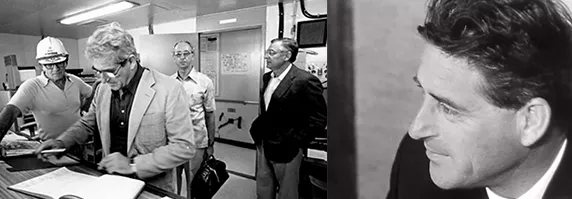
Dick-Dusseldorp

GJ (Dick) Dusseldorp

After 30 years at the helm of his group of companies, Lend Lease Corporation, Gerardus Jozef (GJ) Dusseldorp’s final address as Chairman at the 1988 AGM summed up his business beliefs. He reflected that “caring” and “sharing” in industry had a powerful impact. “Caring, of itself desirable, also pays.” While his business acumen was legendary, Dusseldorp’s achievements are characterised by his determination not only to succeed but to also share the benefits of that success.
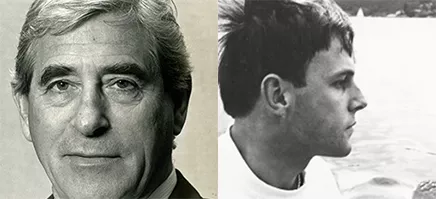
Tjerk_BW4

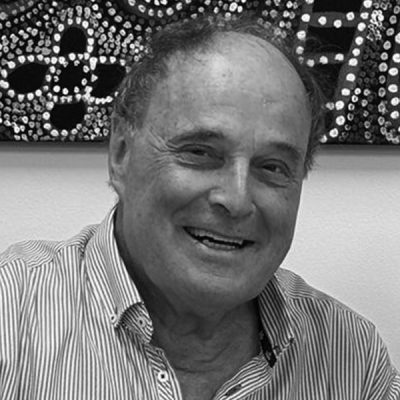
Tjerk (Jack) Dusseldorp OAM

Jack founded the Forum with his father in 1989 and was Chairman of the Forum until 2024. His vast career includes the NSW Law Foundation, Evatt Foundation, the Office of Youth Affairs, NSW TAFE Commission, Australian Student Traineeship Foundation, WorldSkills International and the WorldSkills Foundation. In 2000, he received the Order of Australia Medal for services to education and community.

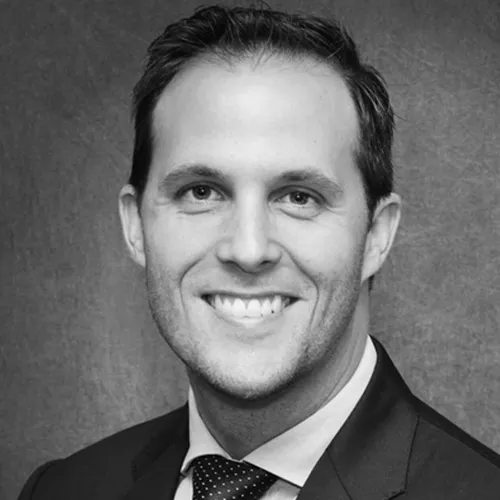
Tom Dusseldorp (Chair)
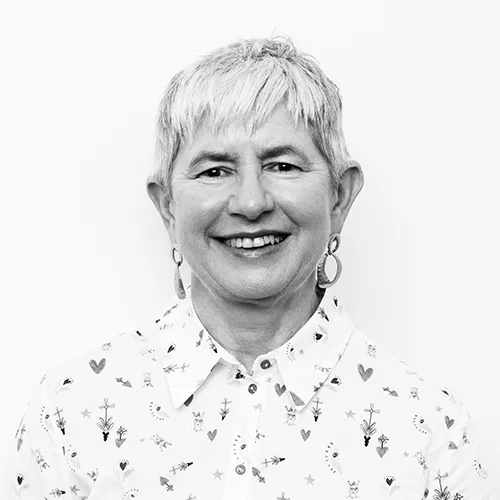
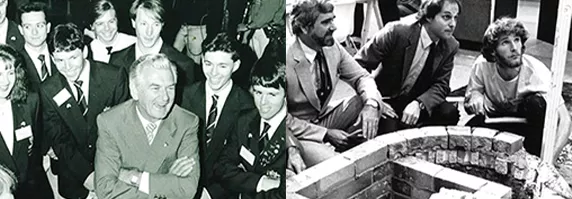
Tom is a company executive with 15 years across the Australian and UK marketing landscape. Tom has worked with a diverse selection of brands in the food and drink sector. This includes global drink giant Pernod Ricard, Australian ASX listed companies Noumi, Australian Vintage and a recent start up food business with the mission to tackle global animal agriculture reliance, All G Foods. Tom joined the Dusseldorp Forum Board in 2010 and took over as Chair in 2024. Tom has taken an active role in many of it’s projects over the years including early Worldskills competitions and the ‘Skills Across the World’ building initiative in Africa. Tom is passionate about the environment and is actively involved in driving this key part of the Forum’s strategy.

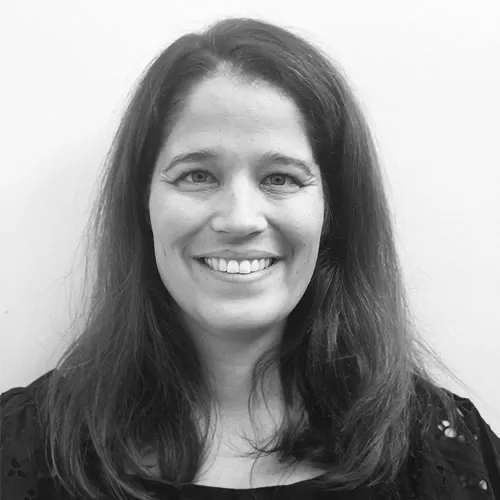
Dr Lindie Clark

Lindie is Deputy Chair of the Forum and formerly Director of Macquarie University’s institution-wide work-integrated learning program PACE. Before joining the university in 2003 she worked for the Commonwealth Government in the employment, industrial relations and health portfolios. She is the author of ‘Finding a Common Interest: The story of Dick Dusseldorp and LendLease.’

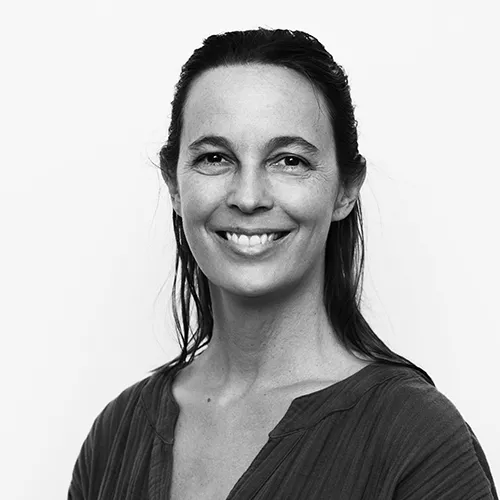
Teya Dusseldorp

Teya is Executive Director of the Forum. She worked formerly as a lawyer with the Australian Human Rights Commission as an advisor to the Federal Race Discrimination Commissioner and with the National Inquiry into the Stolen Generations. She holds degrees in Arts and Law from the University of Sydney and a Master of Arts from UTS.

James Hooke

James joined the Board in 2019 and is the current CEO of Atlas Arteria. Previously he was the CEO of Macquarie Infrastructure Corporation in New York and served in senior management positions in Australia with Fairfax Media Limited, Bain & Company and Phillips Fox Solicitors. James has a Bachelor of Arts and Laws degree and is the author of three books.

Dr Rebecca Huntley

Dr Rebecca Huntley is one of Australia’s foremost researchers on social trends and Director of Research at the agency 89DegreesEast. She is the author of numerous books including How to Talk About Climate Change in a Way that Makes a Difference. She is the Chair of the Advisory Board of Australian Parents for Climate Action, mother of three girls and lives in Sydney.

Joe Dusseldorp

Joe joined the Dusseldorp Forum Board in 2020. He is a specialist surgeon, clinical researcher, and medical technology entrepreneur. He is particularly focused on the care of children affected by disadvantage, deformity, and disability and shares his family’s passion for social justice. He holds multiple medical leadership, commercial advisory, and board roles both in Australia and internationally.

Marta Dusseldorp

Marta joined the Dusseldorp Forum Board in 2020. She is an award-winning actress who has worked extensively in theatre, film and television. She has received an AACTA Award for Best Lead Actress in a TV Drama and a Helpmann Award. She sits on the board of Creative Island and the Screen Export Advisory Panel for Screen Producer’s Australia and has her own production company Archipelago productions.

Teya Dusseldorp

Teya is Executive Director of the Forum. She worked formerly as a lawyer with the Australian Human Rights Commission as an advisor to the Federal Race Discrimination Commissioner and with the National Inquiry into the Stolen Generations. She holds degrees in Arts and Law from the University of Sydney and a Master of Arts from UTS.

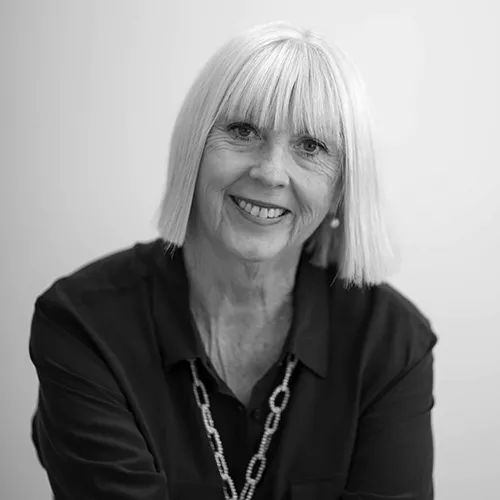
Margot Beach

Margot is General Manager of the Forum and has worked in the community services sector for the past 30 years. She has experience in senior and executive management positions within both government and NFP’s in early years education, child protection, disability services and aged care. Her commitment is to engage with compassion, mindfulness and respect.

Jessica Wilson

Jess is Project Manager at the Forum. Jess holds a Bachelor of Psychology majoring in Human Resources as well as her Certificate IV in Training and Assessment. She has been with Dusseldorp Forum for 8 years and previously worked in the corporate sector in human resources and executive support roles. She enjoys working closely with people and is passionate about organisational development and positive staff culture.

Rachel Fyfe

Rachel is the Communications Manager at Dusseldorp Forum and has worked in For Purpose communications for over 20 years. She has a Bachelor of International Studies and has worked for Chain of Hope UK and the Royal Flying Doctor Service. Rachel’s passion is supporting and uplifting stories of communities working together to ignite change. 

Alex Fischer

Alex is a member of the Forum supporting national policy innovation and strategic learning. He brings two decades of global and cross-sector experience seeking to achieve shared goals of improving our societal and environmental health. His previous roles have built collaborative networks between civil society and government, launched blended-finance rural social enterprises, and led strategic philanthropic and research programs designed to amplify social impact and achieve the Sustainable Development Goals.

Scarlett Steven

Scarlett is the Office Manager at the Forum. She has nearly a decade of experience in administration support across a range of industries. She holds a Master in Fine Arts, a Bachelor of Fine Arts with Honours, and a Certificate IV in Leadership and Management. She is passionate about community-led change and supporting people in ways that are meaningful to them.

Katie Wenmohs

Katie is the Finance Officer at the Forum and has over 15 years of accounting experience. She has a Bachelor of Accounting and Finance from Loyola University New Orleans. Katie started her career at Ernst & Young as an external auditor in the USA. She also has experience in internal audit and financial accounting. More recently she has worked as a financial accountant across various industries in Singapore and Australia. Katie is a registered BAS Agent in Australia.

Our Values

These core values reflect our beliefs and practices.

Our Story

We have a long history of creating social change that began in the 1980’s.

Our Learning

We continuously monitor, evaluate and learn so we can improve our practice.

Annual Reports

Explore our annual reports where we share what we learn alongside our partners.

Mannifera

Dusseldorp Forum are proud to be a part of Mannifera, a collective of Australian funders working together to support a fairer democracy and economy for everyone. Since its inception in 2019, Mannifera have invested over $4.3 million in civil society organisations that actively collaborate and advocate for structural change.

In the past 12 months Mannifera has continued to advance its mission of fostering a fairer democracy and economy in Australia through strategic grantmaking and collaborative efforts. Key impacts from the year include:

Strengthening First Nations Economic Inclusion: Mannifera’s First Nations practice, guided by a panel of Indigenous advisors, allocated grants to Aboriginal and Torres Strait Islander organisations focusing on economic inclusion and enterprise development, reinforcing Indigenous-led economic networks.

Advocating for Fairer Economic Systems: Partners working on tax and economic reforms effectively brought issues like intergenerational fairness and the wellbeing economy into mainstream policy discussions, influencing lawmakers and public debate.

Combating Disinformation: In response to the challenges posed by misinformation, especially following the 2023 Voice referendum, Mannifera supported initiatives aimed at protecting public understanding and democratic decision-making from the impacts of disinformation amplified by technology and social media.

Promoting Transparency and Accountability: While early successes were noted, progress on federal integrity reforms was mixed, with some legislation falling short due to bipartisan resistance. Mannifera’s partners continued to advocate for higher standards of transparency and accountability in government.

Defending Democratic Participation: Through litigation, advocacy, and coalition-building, Mannifera’s partners worked to resist antidemocratic reforms and enhance civic participation among underrepresented groups, including drafting bills, engaging in legal challenges, and forming national coalitions to advance key reforms.

Read the Mannifera 2025 Grant Impact Report for more.

Mannifera
Dusseldorp Story Highlight

Collectives Amplifying Impact

Like many philanthropic foundations, we face the challenge of how a relatively small family foundation—can make an outsized impact on the complex and intertwined issues that affect people and the places they live. We find the answer embedded in our DNA as an organisation, and the clue is in our name – Dusseldorp Forum.
Narrative Practice: Strong Stories and Connections

Dusseldorp Forum partnered with the Dulwich Centre to deliver the Narrative Practice Project, a series of travelling workshops across Mt Druitt, Bourke, and Kempsey. These workshops equipped community leaders with Narrative Practice skills, supporting communities to tell their own stories of change.

Narrative practice is an approach that supports people and communities tell their own stories in a way that highlights their strengths, values, and knowledge. It focuses on listening deeply, asking meaningful questions, and recognising the skills and wisdom people use to overcome challenges, so their experiences shape solutions and change.

Through these workshops, communities developed new engagement techniques, improved practices in youth and family support systems, and deepened relationships across regions.

Participants received Level 1 accreditation in Narrative Therapy, and ongoing coaching ensured they could apply these practices in their work.

Narrative Practice in Action

These two-day workshops led to meaningful changes across the communities:

Bourke: A local judge praised the shift in how young people’s stories are communicated to the court using these techniques.

Mount Druitt: Narrative practices have been integrated into case planning, community support, and training for Youth Justice staff.

Kempsey: The community is using narrative techniques to enhance communication and engagement strategies.

“It was like flood water, seeing the effect the workshop had. Everyone was talking about how good it felt to be part of something.” – Buddy Moore

Community Connection: Strengthening Relationships​

Beyond the skills learned, these workshops deepened connections between communities, individuals, and Country. Participants travelled together, shared meals cooked by locals, and visited significant cultural sites like the Brewarrina Fish Traps and the Dunghutti coastline.

They also participated in cultural activities, including Bourke’s cultural dance night and the 100th anniversary commemoration of Kinchela Boys Home.

Through this experience:

  • Teams strengthened bonds within their communities
  • New relationships formed between different regions
  • Connections to Country and cultural identity were reinforced
  • Family links were rediscovered
  • Dusseldorp Forum’s connection with communities deepened
Collectives: Amplifying Impact

Forming alliances, partnerships and joint initiatives has been the approach of Dusseldorp Forum since inception; making an impact that reaches beyond the sum of our parts.

Creating a more just and equitable society requires more than one program, organisation, or initiative. There is great value in connecting diverse individuals and organisations across sectors to foster collaborative relationships and collective actions which generate more coordinated strategic effort towards structural reform.

That’s why we have joined Mannifera Collective, Groundswell Giving, and the Investment Dialogue for Australia’s Children (IDAC). These partnerships demonstrate the transformative power of working together.

Pooling resources allows us to increase funding scale and provide long-term support for critical issues. Sharing knowledge strengthens decision-making and fosters innovation. Risk-sharing enables us to tackle complex or underfunded challenges, and collaboration builds trust, accountability, and influence – ensuring better education, health, cultural and environmental outcomes.

Mannifera Collective: Strengthening Democracy​

Mannifera is a collective of funders committed to a healthy democracy and a fairer economy. Since 2019, the collective has backed civil society organisations to drive policy change and public advocacy investing over $4.3 million.

Mannifera works with organisations across the following areas:

  • First Nations economic inclusion
  • Building fair tax and economic systems
  • Improving quality public debate
  • Ensuring accountable and open government
  • Fostering inclusive political participation

Read about their 2024 impact here.

Groundswell Giving: Driving Climate Action​

Through Groundswell’s Major Giving Circle, we joined 20 other funders in distributing $1.2 million to climate-focused organisations in 2024.

These organisations are working to:

  • Support communities in the energy transition
  • Counter climate disinformation
  • Hold leaders accountable on climate action


You can read more about Groundswell’s 2024 impact here.

Collectives
Investment Dialogue for Australia’s Children: Aligning Efforts for Impact​

Dusseldorp Forum is also part of IDAC, a 10-year partnership between government, philanthropy, and communities focused on improving outcomes for children and families.

In 2024, IDAC spent time bringing its members together to align efforts and lay the foundations for ongoing collaboration.

You can read more about IDAC here.

PLACE: A Milestone for Place-Based Collaboration​

“PLACE will help make the invisible, visible. It will enable us to share our successes and accelerate shared learning. It is a genuine opportunity to invest in future generations with the support and resources to enable the true ambitions and aspirations of our communities.” 


Alister Ferguson, Founder, Maranguka, Bourke NSW

For over a decade, communities across Australia have been leading place-based collectives that tackle social, environmental, economic and cultural challenges. By working in genuine partnership, these initiatives are driving positive change for children and families.

Dusseldorp Forum has been deeply involved in five place-based initiatives that have sparked new ways of working. Maranguka’s success influenced state and federal Justice Reinvestment policy, Logan Together helped shape the Stronger Places, Stronger People (SPSP) policy, and Our Place’s school-based model was adopted by the Victorian Education Department.

Yet despite their clear impact, place-based efforts struggle to access the coordinated support required to embed the positive changes they demonstrate. 2024 marked a turning point with the establishment of PLACE – Partnerships for Local Action and Communities Empowerment, a national centre designed to strengthen place-based collaboration.

PLACE
A National Shift Toward Place-Based Policy

Announced by Treasurer Jim Chalmers and Minister for Social Services Amanda Rishworth on 30 October 2024, PLACE represents a fundamental shift in how government, philanthropy, and communities work together.

“Place-based support has and can have a profound impact, and now more Australian communities will benefit from these initiatives.”
 – Treasurer Jim Chalmers

A National Shift Toward Place-Based Policy
Key Partnerships That Led to PLACE

As a co-investor in the $38 million initiative, Dusseldorp Forum has worked alongside community partners like Maranguka (NSW) and Logan Together (QLD) and other leading foundations to bring this vision, of working in a different way with government, to life. PLACE will act as a support system – a hub for shared learning, partnership, and policy innovation for place-based initiatives.

With this national infrastructure in place, we have an opportunity to embed community-driven change in policy and back the vision for thriving people and places for generations to come.

Read more about PLACE here.

Wilya Janta

Wilya Janta is an innovative Aboriginal not-for-profit cultural consultancy that promotes community agency in the design and construction of housing in Indigenous communities. They seek to put the tenant at the centre of the design process to build culturally appropriate, climate-resistant homes for remote Indigenous communities.

They believe the current Indigenous remote housing development model has several key issues, including a near non-existent design consultation process with the tenant and community, poor thermal efficiency, overcrowding, a lack of cultural consideration, and insufficient maintenance. Due to the expensive nature of maintaining their homes, residents often face health issues and financial hardships. Wilya Janta seek to overcome these issues by introducing a new, affordable, more sustainable, and scalable standard for remote housing through a culturally sensitive collaboration, design, and building process.

Wilya Janta

As part of the project’s first two phases, they undertook community and site engagement and a highly collaborative design process with residents in 2024. Operating under a unique constitution written by Warumungu Elders, Wilya Janta are creating houses by and for First Nations people that are fit for purpose, culturally safe, off-grid, and climate-resilient.

Wilya Janta will commence building two demonstration and display houses as part of their Tennant Creek Housing Pilot in Jurnkkurakurr/Warumungu in 2025. With ongoing reviews, they hope to refine and replicate the process and see it widely adopted by other communities.

Wilya Janta
Dusseldorp Story Highlight

Wilya Janta – First Nations knowledge informing housing solutions

Dusseldorp Forum is supporting the Wilya Janta Housing Project that is enabling visionary First Nations housing solutions to come to life. Combining innovation and sustainability, Wilya Janta is engaging community from the design process to the construction phase and beyond, in order to create homes that are viable for the climate and for meeting the needs of First Nations communities.

Our Place

Our Place take a holistic, place-based approach to supporting the education, health, and development of all children and families. It facilitates partnerships to help overcome the barriers to educational achievement, using schools as a central location to provide high-quality learning environments and integrated support services for early prevention and intervention.

An initiative of the Colman Education Foundation, Our Place operates in 11 Victorian schools in 9 communities in a 10-year partnership with the Victorian Government. Last year, their partnership with the Victorian Department of Education introduced a new data-sharing agreement to provide richer data for future evaluations.

In 2024, national interest in the Our Place approach and school community platform models increased significantly. Over 30 groups ⎯ including Victorian Government departments and interstate organisations ⎯ visited Our Place sites to learn how to adapt the approach into new contexts. The Australian Government’s Economic Inclusion Advisory Committee and The Review to Inform a Better and Fairer Education System also recommended that school community platform models be adopted to tackle inequitable educational outcomes.

Robinvale College, one of their sites in northwest Victoria, also achieved progress. New family engagement approaches, including craft sessions, and a school attendance action plan were introduced. Initiatives like The Language Cafe, funded by the Department of Job, Skills, Industries, and Regions (DJSIR), connected adults with services like employment, driver licenses, and working with children checks. Negotiations are underway to introduce local health services like speech pathology and occupational therapy to the school.

Read the 2025 Our Place Roadmap for more information.

Our Place
Dusseldorp Story Highlight

Walking alongside – revisited

In 2023, with more than 5 years of experience and learnings from the Partnership and implementation in nine diverse communities, Our Place has developed Walking alongside – revisited as the next chapter in their Walking Alongside series.

Mounty Aboriginal Youth and Community Service (MAYCS) Mt Druitt

Mounty Aboriginal Youth and Community Service (MAYCS) are an Aboriginal-controlled youth service in Mt Druitt (Darug Country in Western Sydney) that strives to enable young people to lead solutions that protect and free them from harmful systems. The organisation was created in response to Mounty Yarns, a storytelling project by Aboriginal young people from Mt Druitt with lived experience of the criminal justice system. Mounty Yarns showed the impact the criminal justice system has on the Mt Druitt community and presented young people’s ideas for change.

Last year saw the MAYACS team grow from five to 12 full-time local Aboriginal staff members, four youth ambassadors, and one community-led programming role. MAYCS secured $3.3 million in government grants ⎯ $2.3 million to continue their justice reinvestment work over the next three years and almost $1 million for their Youth on Track (YOT) early intervention program. They have secured the YOT funding for a futher three years. MAYCS also expanded their youth-led programs, adding a weekly women’s healing day and are planning a women’s retreat.

Continuing to elevate young people to play a significant role in leading the organisation was another highlight, with young people being involved with setting the strategic direction and governance of the organisation. Using the Mounty Yarns advocacy tool, five young people in the MAYCS team were paid to run a workshop for 15 members of Youth Justice sharing how their policies impact Aboriginal young people in the juvenile justice system. The Mounty Team and their Youth Ambassadors presented at many important events this year including at government, sector and community conferences sharing their expertise in Justice Reinvestment and youth-led work, including presenting in multiple workshops at ChangeFest.

The Mounty Team also took part in the Narrative Practice Workshops, supported by Dusseldorp Forum in 2024, to build narrative skills and create connections to support their long-term efforts.

Dusseldorp Story Highlight

Rise of Young Leaders in Mt Druitt

Mounty Yarns shares the intricate details of Aboriginal young people in Mt Druitt’s experiences of injustice, but within these stories of hardship are sparks of resistance, skill, and knowledge. These flickers are being nurtured into flames of a new generation of youth leadership, rising in Mt Druitt.

Maranguka

Maranguka, meaning ‘caring for others’ in the local Ngemba language, is a community-led, place-based initiative in the New South Wales town of Bourke that seeks to create better futures for local children and their families. A collaboration between the Bourke Tribal Council, community, government, and non-government organisations, Maranguka is the first justice reinvestment site in Australia. It forms part of the federal government’s Stronger Places, Stronger People initiative.

In 2024, Maranguka experienced many meaningful highlights. The youth hub in Bourke was reestablished, and youth development officers were recruited. The hub now serves as a vital platform for local young people to access mentorship, cultural programs, and essential services. Maranguka’s ongoing work in youth justice and out-of-home care provided pathways away from the justice system, while increasing access to training, education and job opportunities for young people in Bourke and beyond.

Maranguka

The formalisation of the NSW Western Health District Data Sharing Agreement last year will greatly enhance health outcomes for First Nations communities and ensure that community-led insights drive health policy and service improvements. New government grants and partnerships will also expand Maranguka’s reach, services, and capacity in youth justice, family support and services, justice reinvestment, and community development.

Members of Maranguka’s team also took part in the Narrative Practice Workshops, supported by Dusseldorp Forum in 2024, to build narrative skills and create connections to support their long-term efforts.

Maranguka
Dusseldorp Story Highlight

Sharing Strong Stories – The Narrative Practice Project

On the banks of the Darling River in Bourke, NSW, under a warm winter sun, community members from Mt Druitt, Bourke, Kempsey, and Moree came together for the second in a series of Narrative Practice workshops to learn and share practices that help them tell stories in ways that make them stronger.

Learning the Macleay 

Learning the Macleay (LtM) is a community led initiative that aims to bring the entire community together to understand the issues and design the solutions. It draws on community’s collective wisdom and locally tailored, evidence-driven solutions to empower families and children for a stronger future.

Listening, connecting and sharing with community were central to LtM’s work in 2024. Championing the belief that no one understands the local community as well as the community itself, LtM conducted a six-week community survey at pop-up stalls across Macleay Valley. The survey generated 443 responses and offered insight into the community priorities for 2025 and beyond.

Learning the Macleay
Inspired by a digital storytelling workshop at ChangeFest, the national movement for community-led systems change in Australia, LtM held various digital storytelling training workshops in their community. Understanding the importance of elevating community voices from across the Macleay Valley, LtM invested in media equipment, including cameras, formed a community media team, and have been creating and sharing stories across their social media channels.

Another highlight in 2024 was the Yuwa Nyinda Dream Academy, designed and delivered by LtM and Dhina Durriti Aboriginal Corporation (DDAC) to inspire young people to dream big. The two-day event, held in August, brought together over 1,500 children and young people to spark creativity and discover purpose and passion. The event included creative workshops, a career zone, a cultural space, social activities and a community celebration with live performances.

The LtM team also took part in the Narrative Practice Workshops, supported by Dusseldorp Forum in 2024, to build narrative skills and create connections to support their long-term efforts.
Dusseldorp Story Highlight

Healing the Heart of the Macleay

When Dunghutti woman Jo Kelly speaks about her work, it becomes evident that her decades of experience as a fierce advocate, compassionate leader and community connecter have profoundly shaped her approach today.

Karrkad Kanjdji Trust (KKT)

Karrkad Kanjdji Trust (KKT) was established in 2010 by Traditional Owners of the Warddeken and Djelk Indigenous Protected Areas to support their vision for healthy Country. KKT serves as a shared resource to eight First Nations community-controlled organisations in West and Central Arnhem Land ⎯ one of the largest Indigenous estates in Australia ⎯ and spans 50,000 square kilometres of land and sea Country.

KKT is a philanthropic trust whose work centres on supporting people on Country, protecting native biodiversity, educating future custodians, managing fire and climate, safeguarding Indigenous culture, and investing in women rangers. Last year saw them continue to invest in multiple community-controlled projects ⎯ 20 in total ⎯ with a focus on traditional land management, on-Country employment, and bi-cultural education initiatives.

KKT

Highlights include the establishment of the Homeland School Company, which delivers bi-cultural, community-led education to children in the Djelk Indigenous Protected Area (IPA), and the Bush University (called Bidwern Butj Uni), an on-Country adult training and education initiative for rangers and their communities. KKT also supported the Arafura Swamp Rangers Aboriginal Corporation (ASRAC) to establish new permanent ranger positions across the proposed ASRAC IPA: an area that includes Gurruwiling (Arafura Swamp), the largest freshwater ecosystem in Arnhem Land, and 27 nationally listed threatened species.

KKT
Dusseldorp Story Highlight
Karrkad Kanjdji Trust – Arnhem Land NT

Educating Future Custodians with Karrkad Kanjdji Trust

Education underpins individual, family and community development with benefits to health, social mobility, employment, economic growth and equality. It is a basic human right that also has cascading positive impacts on mitigating climate change and nature loss. As a wealthy nation with compulsory education, every child in Australia should have access to quality, full time teaching.

Groundswell

Established in 2020, Groundswell is a community of individuals passionate about tackling climate change in Australia. Through the financial support of its members, they provide grants to assist and accelerate the work of organisations driving high-impact, strategic climate action.

Groundswell believe that fixing the climate crisis requires a multifaceted approach, so they fund a diverse network of changemakers across a range of approaches and geographies. By embracing a collaborative approach to climate action, Groundswell hope to create change from all angles. In 2024, they raised $2.09 million in funds, supported 45 grants, and hosted 14 events to forge new partnerships and raise awareness of the climate crisis.

Last year, this included a $40,000 grant to the Australian Associated Press (AAP), which enabled the newswire to establish its specialist climate desk to cover climate issues and help combat climate misinformation; an $80,000 grant to Rewiring Australia, which secured $5.4 million in federal funding to launch Electrify 2515, a world-first pilot program for home electrification; and a $40,000 grant to Lock the Gate, whose campaigning helped to shut down two proposed coal mines in NSW.

Dusseldorp Forum is one of the 23 founding members of Groundswell’s Major Giving Circle (MGC), which launched last year. MGC forms part of Groundswell’s overarching grants program, alongside their Caring for Country and Community grants. Each MGC member contributes $50,000 annually to the $1+ million dedicated funding collective that aims to empower communities on the frontlines of the energy transition and support the rollout of renewable energy and climate solutions.

Dusseldorp Story Highlights

Collectives Amplifying Impact

Like many philanthropic foundations, we face the challenge of how a relatively small family foundation—can make an outsized impact on the complex and intertwined issues that affect people and the places they live. We find the answer embedded in our DNA as an organisation, and the clue is in our name – Dusseldorp Forum.

It’s Up to Us – Climate Funders Handbook

For ten years we’ve been partnering with communities with long-term plans to improve social, cultural, and economic outcomes for children and families. Over this time the impact of climate change has become a clear and present danger to the success of any gains towards equity and justice.

Supercharge Australia

Supercharge Australia is an initiative supporting Australia, as the biggest lithium producer in the world, to become a hub for battery technology innovation and to boost the clean energy transition. The initiative is a partnership between EnergyLab, Australia’s largest climate tech startup accelerator, and New Energy Nexus, a global clean energy startup accelerator.

A major highlight of 2024 was the Supercharge Australia Innovation Challenge 2 (SAIC2). This competitive program featured 12 innovative startups with solutions that could rapidly convert half of Australia’s commercial vehicles (around 10 million) to electric vehicles (EVs) and help accelerate progress towards building Australia’s lithium battery value chain. Melbourne-based Veepower was chosen as the winner for its accessible and affordable Veepilot plug-and-play EV retrofitting technology.

Supercharge Australia

Other key achievements last year include the launch of the Supercharge Australia Incubator. The new program will provide expert support, connections to industry, and technical capability to relevant early-stage startups and empower them to bring their pioneering solutions in the lithium battery value chain to life. Supercharge Australia’s advocacy efforts also contributed to key policy advancements, including the allocation of $500 million in the federal budget to advance battery technology and manufacturing. Meanwhile, their participation at industry events, such as the All-Energy Australia Conference, helped grow awareness of their mission and fostered further partnerships for growth.

Dusseldorp Story Highlight

Supercharge Australia: Clean Energy Solutions for a Sustainable Future

Dusseldorp Forum is partnering with Supercharge Australia to unlock the potential of lithium battery technology to drive environmental progress and economic growth.

Australian Progress

Australian Progress are helping to build the advocacy capacity of Australia’s civil society organisations to ensure that community interests shape our nation’s priorities. Working with thousands of social change organisations and changemakers, they transform the skills of community leaders and play a pivotal role in convening the sector to foster knowledge sharing, collaboration and driving forward shared action.

In 2024, Australian Progress grew the skills and networks of over 880 advocates and campaigners through a range of thought-provoking webinars, multi-day training workshops, and their flagship program, the Progress Fellowship. They also brought together over 500 changemakers at two major events — Common Threads, a summit for and by First Nations people to connect, yarn, share, strategise, and plan for action, and FWD+Organise 2024, a coming together of digital campaigners and community organisers to collaborate, innovate, and share skills and ideas.

Australian Progress

Last year, Australian Progress and its partners and community showcased the power of scaled action and collaboration in making real change possible. Through the support of the Economic Media Centre, which connects journalists with economic spokespeople, 336 stories from community leaders and advocates were shared in the media and generated over 5,400 syndications. Developed in partnership with Disability Advocacy Network Australia (DANA) and Common Cause Australia, Australian Progress also released the By Us, For Us disability messaging guide, a pioneering intensive research project aiming to reshape public narratives about disability and drive support for transformative policy change.

Australian Progress

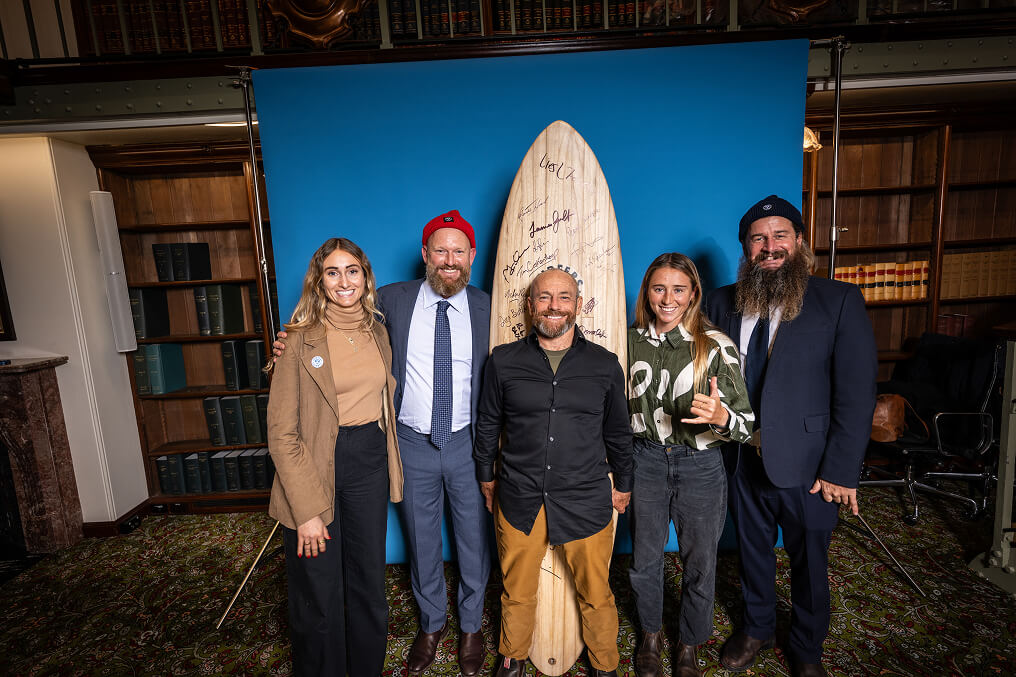
Surfers for Climate

Surfers for Climate (SFC) are an Australian charity that empowers and mobilises surfers and associated communities to pursue positive climate action. It does this by supporting surfers in campaigning against new coastal and offshore fossil fuel developments, helping surfers implement climate solutions into their everyday lives, and respectfully engaging MPs in surfing communities to act on climate change. 

One of SFC’s biggest wins in 2024 was the introduction of historic legislation to ban offshore sea mining and infrastructure for oil and gas projects in New South Wales coastal waters with bi-partisan support. SFC’s campaigning helped NSW become the first state to adopt the much-needed Environmental Planning and Assessment Amendment (Seabed Mining and Exploration) Bill 2024.

surfers for climate

Other SFC highlights in 2024 include the scaling up of the Trade Up program, which helps surf-loving tradespeople promote climate-positive behaviours at work, the launch of the inaugural Water Women Campout, an annual wellbeing weekend for women, alongside Blue Minds, a mental health program to address eco-anxiety amongst youth and empower them to act.

In 2024, SFC expanded its audience and the reach of its positive climate action message by hosting 26 community events, meeting with over 100 politicians and decision-makers, increasing its Australian media presence, and growing its collective social media follower base to over 50,000.

surfers for climate
Dusseldorp Story Highlight

Surfers for Climate’s Party Wave of Climate Action

Dusseldorp Forum is partnering with climate organisations that are working in smart ways to engage more Australians in climate solutions. We’ve formed a three-year partnership with Surfers for Climate, who are mobilising surfers and ocean lovers to play a powerful role in the climate movement.