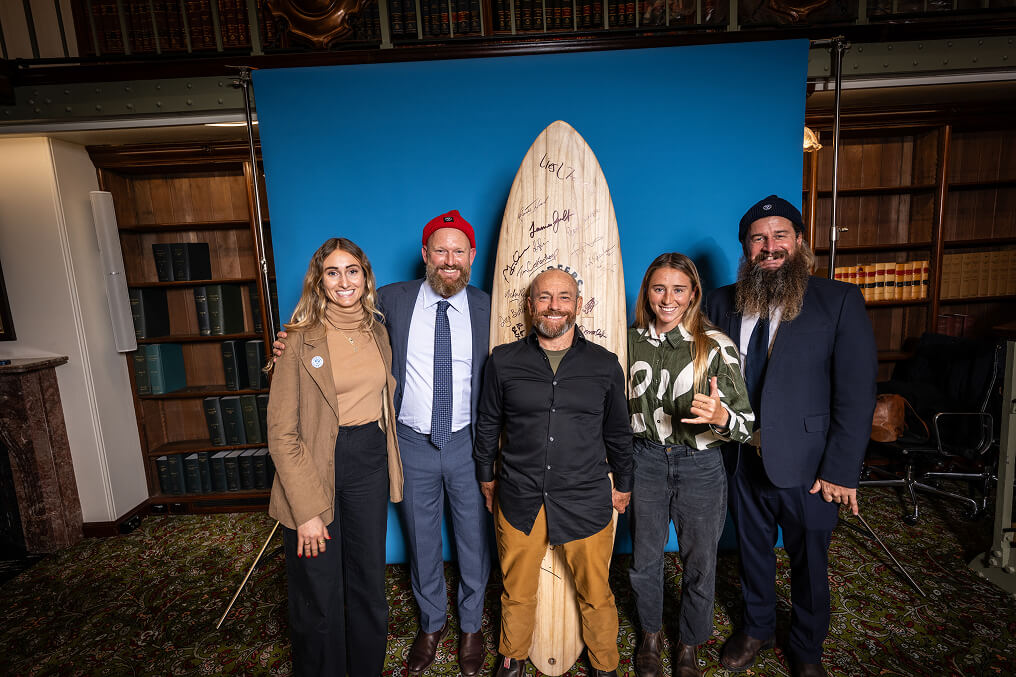
Rather than waiting for developers to decide what gets built and who might benefit, they’re asking what a data centre could look like if local people set the terms.
Through Groundswell Giving’s Major Giving Circle and the Australian Environmental Grantmakers Network (AEGN), Dusseldorp Forum is supporting A Better Model for Data Centres. The initiative explores how communities can build, retain and care for the assets that shape local prosperity.
A community on the front foot
According to the Climate Council, Australia already has 162 operating data centres, with more than 90 projects in the pipeline. These facilities support the digital services and artificial intelligence technologies we increasingly rely on, but they also demand enormous amounts of electricity and water.
In the Southern Highlands, a proposal for a 700-megawatt gas-fired power plant associated with data centre development has galvanised local residents. Around 400 people attended a community forum in August to voice their concerns.
Gaye White from local community organisation WinZero believes communities need to be prepared for what comes next.
“We want to be on the front foot. We want to be ready for the next one that comes to say, if you want to bring your industry to our community, this is what our community expects from you.”
That determination is helping drive a different approach
Rather than waiting for developers to present their plans, Regen Labs and its partners, Highlands Homegrown Economy, RadicalXChange and BWD Strategic are supporting local people to develop a community counter-offer, setting out the environmental protections, community benefits and decision-making arrangements they would expect from any future development.
Reece Proudfoot, a Moss Vale resident and Co-founder and Director – Regenerative Innovation at Regen Labs, says the process centres on three questions: What needs to be protected? What value should be captured by the community? And who gets to decide?
Making room for different perspectives
The project is bringing together residents, community organisations, businesses and experts to explore these questions through independent research and community deliberation.
More than 130 people have participated in an online public conversation, while around 50 have joined deliberative sessions. Early discussions have revealed strong support for renewable energy requirements and meaningful community participation before major decisions are made.
But Reece is clear that community views differ.
Some residents see potential for renewable-powered data centres to deliver lasting benefits. Others oppose the developments and worry that exploring alternatives could legitimise infrastructure they consider unacceptable.
“In this community, an informed no is just as valid as a conditional yes,” he says.
The project is designed to give people the information and opportunity to consider the trade-offs, rather than steer them towards a predetermined outcome.
The team is also working to ensure participation extends beyond those who usually attend consultations.
An in-person session at the local Aboriginal centre and community forums that include music, craft and children’s activities are allowing for more inclusive participation.
“You need to design for young families if you want young families to turn up,” Reece says.
For Reece, digital tools are useful but cannot replace the relationships and trust needed to bring different voices into decisions.

What could community wealth building look like?
The project is also challenging conventional ideas about what communities should receive in return for hosting major infrastructure.
A useful example comes from Tallaght in Dublin, where waste heat from an Amazon Web Services data centre is captured through a district heating network to warm public buildings.
Closer to home, First Nations communities are negotiating new forms of ownership and economic participation in renewable energy infrastructure. The Bulabul Battery partnership on Wiradjuri Country, for example, includes an option for the Wellington Aboriginal community to take a five per cent equity stake, creating the potential for long-term revenue.
Reece believes communities should be able to consider benefits that go much further than short-term construction jobs or small community grants.
“How do we actually help achieve the potential of the community?” he asks.
That might mean investment in childcare, health services, environmental restoration or other priorities identified by local people.
It also means considering whether those benefits outweigh the environmental and social impacts of development.
The important question is who gets to make that judgement.
From one community to national change
With the first phase funded, Regen Labs is now developing the community counter-offer and preparing to share the lessons more widely.
More than 100 people have already registered to join a peer-learning network, and the next phase will develop a practical blueprint and resources that other communities can adapt to their own circumstances.
The team is also sharing emerging findings with state and federal representatives as national data centre standards are developed.
There is an opportunity to influence how governments and developers approach community participation, environmental safeguards and benefit sharing before Australia’s next wave of data centres is built.
Learn more about A Better Model for Data Centres and how to support its next phase.