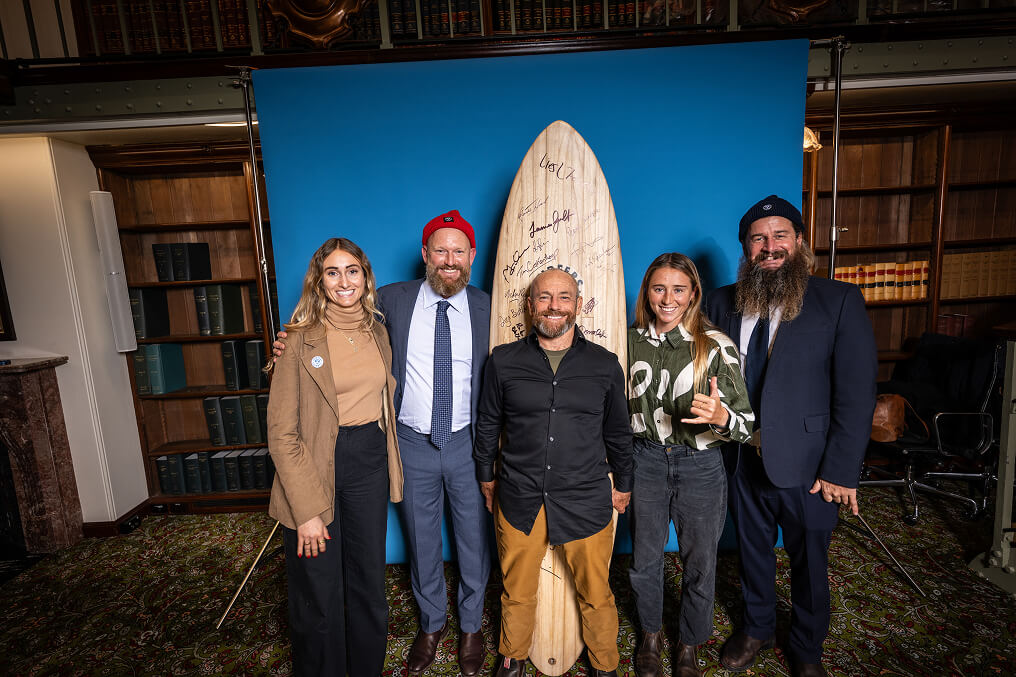
Spanning cultures, religions, abilities and generations, the gathering instantly felt inclusive and vibrant, carrying the energy that emerges when many perspectives come together.
The audience was packed with people working with and for young people who had come to explore the report and better understand what accountability to young people is and how they can embed it into their work and organisations.
The Accountable Futures Collective’s Defining Accountability Report is the careful distillation of the knowledge and thinking of hundreds of young people. It clearly describes the change that is being called for by young people who have lived experiences of harm from current systems.
“When systems break their promises – to keep young people safe, healthy, learning – disadvantage and trauma is compounded, and generations of young people are harmed.”
The report shares what young people say “accountability to young people” means to them; what it could look like in practice, why it’s important, where they see it happening, how young people are already driving change as well as an invitation to join the collective.

Both the report and its launch were conceived, designed and delivered by AFC’s Impact Board. This is a collective of young people who come together, ask questions, think outside the box, make decisions that drive strategy, shape engagement with young people and lead bold conversations with adults and systems at AFC.
“We bring lived experience to your table that can’t be taught by any degree and definitely not assumed by any adults who haven’t had to navigate through these systems in the way that we do.”
At the Redfern gathering, the Impact Board guided us through the report in an engaging, fast-paced way that elevated the voices of young people and demonstrated their expertise in communicating their ideas and educating others.
One of the most impactful moments from the launch was the panel of young people who shared personal experiences highlighting systemic failures, such as missed early interventions and lack of support for youth with disabilities. They emphasised the importance of genuine accountability, clear communication, and involving young people in policymaking.
“There’s a pattern that we see in youth engagement where voice participation and co‑design are the end of the process, rather than young people being embedded in every part of the process.”
They shared the need for systems to act on young people’s feedback, the impact of adult biases, and the necessity of updating outdated policies. The young people called for consistent, meaningful engagement and challenged adults to take responsibility and advocate for systems to improve accountability.
“Challenge the system, even if you don’t think that you have the power… you, being an adult, working in that system gives you way more power…so you being able to challenge it, and to even if you have a decision making power, especially to use your power for good.”
The Accountable Futures Collective is an intergenerational systems-change collective, bringing young people and adults together to redefine and drive accountability to young people and future generations. They are currently working with young people, communities, service providers, researchers, and funders to explore what it takes to become meaningfully and tangibly accountable to young people across society.
The Defining Accountability Report is an opportunity to engage deeply with the knowledge of young people driving this movement. As you connect with the ideas in the report, you are invited to reflect on what you are learning from young people and how your own relationships or work could be strengthened by their ideas.
You can practice accountability right now by sharing your reflections and ideas back with the young people who are leading this work through this short reflection form. Your reflections help build collective impact for systems change and ensure young people can see how their knowledge is challenging thinking, informing action, and creating change.
“Accountability to young people means more than just listening. It means acting on what they tell you. It’s about asking young people what they want and need and doing everything you can to make it happen. Accountability is about following through, not just good intentions.”
Both the report and its launch were conceived, designed, and delivered by young people connected to AFC, including members of the Impact Board. The Impact Board is part of AFC’s intergenerational governance structure, bringing twelve young people together to ask questions, think outside the box, make decisions that drive strategy, shape engagement with young people, and lead bold conversations with adults and systems at AFC.
We spoke with Ayesha and Fiona about why they are contributing to the work of the Accountable Futures Collective, how it feels when young people are listened to, and what kind of impact they want this work to have on the way young people experience the systems around them.
Q&A with Ayesha Ayaz, Impact Board Member, Accountable Futures Collective.

For Ayesha, accountability begins by listening to the people most affected by decisions and sharing power with them. Helping shape the future of AFC, Ayesha draws on her lived experience to challenge systems that too often overlook young people’s voices.
“We bring unique knowledge and skills that are different to that of adults, not less.”
Q&A with Fiona, contributor to the Accountable Futures Collective.
Fiona contributes to AFC, bringing experience from mental health, research and community engagement. She is driven by a belief that young people should have a genuine role in shaping systems, rather than being left to deal with the consequences when those systems fail.
“I want systems that prevent harm instead of causing it, with a long-term focus instead of putting a band-aid solution in place and hoping for the best.”